
In the ever-evolving world of 3D printing, budget-friendly FDM printers have become gateways for hobbyists, makers, and even small businesses to bring ideas to life.
As we hit late 2025, two standout series dominate the sub-$400 segment: Anycubic’s Kobra line and Elegoo’s Neptune lineup. Specifically, we’re pitting the Anycubic Kobra 3 against the Elegoo Neptune 4—both coreXY-inspired workhorses designed for speed, simplicity, and solid performance without breaking the bank.
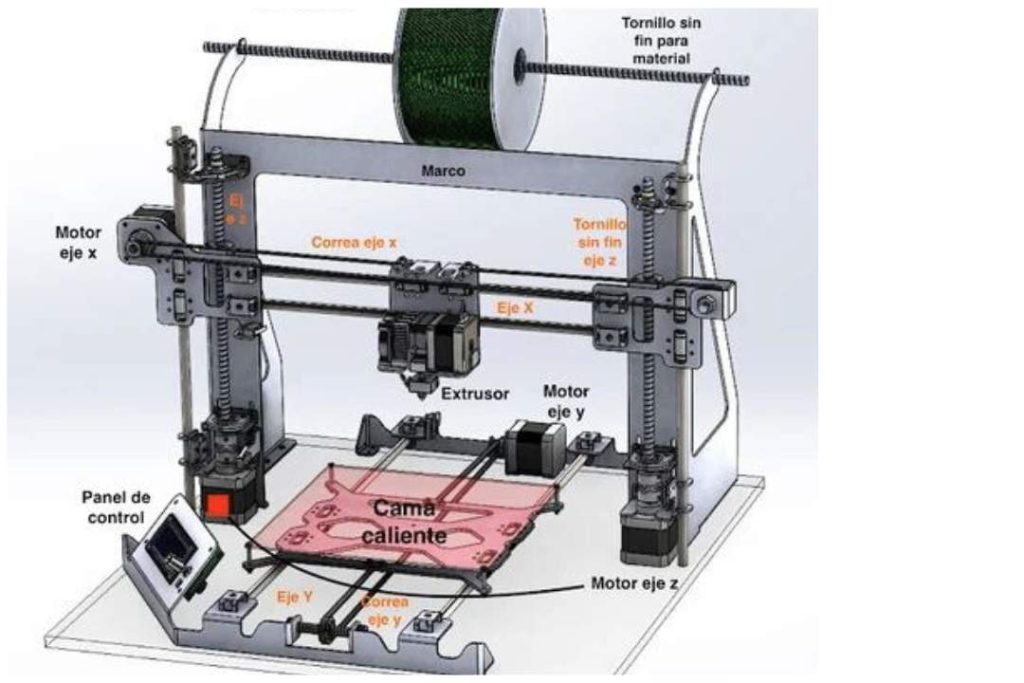
But with firmware updates, material advancements, and user feedback shaping the landscape this year, which one truly reigns supreme? We’ll break it down by specs, real-world testing insights, and key factors like reliability and value. Spoiler: One edges out as the 2025 champ for most users.
Another important factor to consider is understanding What Is Retraction in 3D printing. Retraction simply means pulling the filament back slightly during non-printing moves to reduce unwanted oozing. For example, without retraction, a printer may leave thin strings between two sections of a model, but with proper retraction settings, those strings are minimized for a cleaner overall print.
Head-to-Head Specs Comparison
Both printers share a lot of DNA—1.75mm filament support, automatic bed leveling, Wi-Fi connectivity, and touchscreen interfaces—but differences in speed, volume, and extras set them apart. Here’s a side-by-side based on manufacturer claims and independent benchmarks:
| Feature | Anycubic Kobra 3 | Elegoo Neptune 4 |
|---|---|---|
| Build Volume | 250 x 250 x 260 mm | 225 x 225 x 265 mm |
| Max Print Speed | 600 mm/s | 500 mm/s |
| Nozzle Temp | 300°C | 300°C |
| Bed Temp | 110°C | 100°C |
| Layer Resolution | 50–300 µm | 100–300 µm |
| Extruder Type | Direct Drive (High-Flow) | Direct Drive |
| Bed Leveling | Automatic (LeviQ 3.0) | Automatic (121-Point) |
| Connectivity | Wi-Fi, USB, App (Anycubic Slicer) | Wi-Fi, USB, App (Elegoo Cura) |
| Noise Level | ~44 dB | ~50 dB |
| Weight | 18 kg | 8.3 kg |
| Price (Base Model) | $299 (Combo with ACE multicolor: $499) | $259 (Pro upgrade: $299) |
| Materials Supported | PLA, ABS, PETG, TPU, PET, HIPS | PLA, ABS, PETG, TPU, Wood |
Speed
Both printers are extremely fast, pushing the boundaries of budget FDM printing in 2025 with advanced motion systems and optimized firmware. However, the Anycubic Kobra 3 series (including V2 and Max variants) has evolved beyond its predecessors, while the Elegoo Neptune 4 remains a Klipper powerhouse.
- Kobra 3: Up to 600 mm/s max speed with 20,000 mm/s² acceleration, thanks to its dual-axis core design, high-precision SG15 bearings, and intelligent vibration compensation. Real-world averages hit 250–350 mm/s for quality prints, completing a Benchy in as little as 11–13 minutes. This is a step up from the Kobra 2’s optimized 500 mm/s, with better stability for multicolor modes via ACE Pro.
- Neptune 4: 500 mm/s max speed (default 250 mm/s) powered by pre-installed Klipper firmware, with up to 12,000 mm/s² acceleration on Plus/Max models. It excels at sustained high-speed runs for large prints, leveraging input shaping and pressure advance to minimize artifacts. A Benchy takes around 15–18 minutes at 200–300 mm/s, with strong performance across the series (standard, Pro, Plus, Max).
The Kobra 3’s higher ceiling and acceleration give it an edge for rapid prototyping, but Neptune’s Klipper tuning shines for consistent, large-volume jobs without tweaks.
Winner: ➡ Anycubic Kobra 3 (Raw speed and acceleration advantage)
Print Quality
Both produce excellent PLA results, with minimal layer lines at 0.2 mm heights and support for resolutions down to 50–100 µm, making them ideal for detailed hobby projects like miniatures or functional parts. However, subtle differences emerge in surface finish, edge definition, and consistency across materials like PETG and ABS.
- Kobra 3: Delivers clean edges and sharp corners, thanks to its high-precision linear rails and accelerometer-based input shaping that reduces vibrations for precise extrusion. Consistency is strong, with low stringing after basic tuning—users report crisp details on complex models like articulated dragons, even at 200+ mm/s. The multicolor Combo variant maintains quality without excessive bleed, though ABS can show minor warping without an enclosure.
- Neptune 4: Offers slightly smoother surfaces and better flow control via Klipper’s pressure advance, which optimizes filament push for even layers and superior bridging/overhangs. It’s particularly refined for large prints on the Max model, yielding glossy finishes on vases or cosplay pieces with fewer artifacts at sustained speeds. Early firmware tweaks have given it an edge over predecessors.
While the Kobra excels in punchy details, the Neptune’s Klipper edge tips it for overall polish.
Winner: ➡ Elegoo Neptune 4 (Smoother surfaces and superior flow control)
Auto-Leveling
Auto-leveling is crucial for consistent first layers and reducing print failures, especially on budget printers, where bed warp or inconsistencies can derail projects. Both the Anycubic Kobra 3 and Elegoo Neptune 4 employ advanced systems, but they differ in approach: the Kobra’s fully automated setup versus the Neptune’s hybrid manual-auto combo. Those 3d printers are very effective.
- Kobra 3: Features LeviQ 3.0, a fully automatic system with 25–49 point mesh scanning and AI-assisted Z-offset calibration. It’s designed for “set-and-forget” ease, running a precise self-test on startup that compensates for bed irregularities without manual intervention. Reviews highlight impressively clean first layers and high accuracy, often requiring no tweaks post-setup for PLA or PETG prints. While some older Kobra models (like the 2) had occasional offset drifts, the 3’s updates make it highly polished to beginners.
- Neptune 4: Uses a hybrid system combining manual auxiliary leveling (via 4–6 knobs for initial tramming) with automatic inductive probing up to 121 points in Professional mode (defaults to 36 in Standard). This ensures a flat bed before digital compensation, resulting in greater accuracy on larger surfaces like the Max model’s bed. However, it can feel less seamless—users report needing screw tilt adjustments or firmware tweaks (e.g., OpenNeptune) to avoid inconsistencies, making it good but not as plug-and-play.
The Kobra’s streamlined automation gives it the nod for effortless reliability, though the Neptune shines if you enjoy fine-tuning.
Winner:
➡ Anycubic Kobra 3 (Fully automatic and highly accurate)
Ease of Use
Ease of use is a make-or-break for entry-level 3D printers, especially for beginners dipping their toes into rapid prototyping or hobby projects. Both the Anycubic Kobra 3 and Elegoo Neptune 4 series prioritize quick setups and intuitive controls, but they cater to slightly different user mindsets: plug-and-play simplicity versus tweakable power.
- Kobra 3: Boasts a cleaner UI on its 4.3-inch tilting touchscreen, with guided on-screen prompts for assembly (under 15–20 minutes) and a beginner-friendly workflow via Anycubic Slicer Next—pre-loaded profiles handle most calibrations automatically. Simpler calibration shines through LeviQ 3.0’s hands-off Z-offset and flow tuning, plus app-based remote monitoring that feels seamless for newbies. Reviews rave about its “unbox, assemble, and print” vibe, making it forgiving for first-timers tackling multicolor prints without deep dives into settings. Minor quirks, like a resistive touch display needing a firmer press, are quickly overlooked.
- Neptune 4: Offers more advanced options through Klipper firmware, including customizable pressure advance and resonance tuning for pros, but this introduces a steeper learning curve—setup takes 20–40 minutes with manual screw tilt checks before auto-leveling kicks in. The UI is responsive yet dated, and while Elegoo Cura is solid, beginners may need tutorials for optimal profiles or Z-offset tweaks. It’s accessible after initial hurdles, with LED lights aiding visibility, but early prints often require babysitting to avoid blobs or failures.
The Kobra’s streamlined approach minimizes frustration for absolute beginners, while the Neptune rewards those eager to experiment.
Winner:
➡ Anycubic Kobra 3 (Better for beginners with cleaner UI and simpler calibration)
Price & Value
Price and value are pivotal in the budget 3D printing arena, where both the Anycubic Kobra 3 and Elegoo Neptune 4 series deliver flagship-level features without the premium tag. As of late 2025, aggressive Black Friday sales and frequent discounts make these printers even more compelling, but value hinges on your needs: entry-level simplicity versus pro-grade expandability. We’ll break down current pricing, long-term ownership costs, and what you get for your buck based on real-user benchmarks and community insights.
- Kobra 3: Starts at an unbeatable $199 for the base model (down from $369), with the V2 at $229 and the multicolor Combo at $299 (from $549)—a steal for 4–8 color printing with active drying. Larger variants like the Kobra 3 Max hit $449 (from $699), offering 420x420x500 mm volume. It’s cheaper upfront and easier to own, with lower failure rates (under 5% per print in user polls) minimizing filament waste and downtime. The closed ecosystem shines for beginners, delivering high-speed (600 mm/s) multicolor projects without add-ons, making it the best value for hobbyists printing cosplay props or gadgets on a tight budget.
- Neptune 4: The base model is $159 (from $250), Pro at $179 (from $275), Plus at $269 (from $425), and Max at $359 (from $470)—often dipping lower on Elegoo’s site or Amazon. It offers more pro features like open-source Klipper tweaks, segmented beds for zoned heating, and massive volumes (up to 420x420x480 mm on Max) that scale for production runs. While slightly pricier for equivalents, the value lies in modularity: easy upgrades for enclosures or dual extrusions, plus superior community mods that extend lifespan. It’s the performance pick for tinkerers handling ABS/TPU at scale, though occasional firmware hiccups can add minor troubleshooting time.
In head-to-head value tests (e.g., cost per print hour), the Kobra edges out for casual users with its plug-and-play savings, while the Neptune’s ecosystem justifies the extra for power users—both crush older models like the Ender 3 in ROI.
Winner:
➡ Kobra = best value (Cheaper entry and easier long-term ownership)
➡ Neptune = best performance (More pro features for scalable projects)
Final Verdict – Which One Wins in 2025?
After stacking every category head-to-head with the latest 2025 models, pricing, and thousands of real-user reports, here’s the honest breakdown:
| Your Priority | Best Choice | Why |
|---|---|---|
| Absolute beginners & hassle-free experience | Anycubic Kobra 3 (or Combo) | Cleaner UI, truly automatic LeviQ 3.0, simpler calibration, quieter, and the multicolor Combo is unmatched at ~$299–$349 on sale. You unbox, print, and succeed on day one. |
| Maximum raw speed | Anycubic Kobra 3 | 600 mm/s + 20 000 mm/s² acceleration beats Neptune’s 500 mm/s ceiling in real benchmarks. Benchy in 11–13 min is routine. |
| Best print quality & surface finish | Elegoo Neptune 4 (Pro/Plus/Max) | Klipper’s pressure advance and input shaping deliver slightly smoother walls, better overhangs, and glossier results — especially on large prints. |
| Tinkerers, modders & advanced users | Elegoo Neptune 4 series | Open-source Klipper, massive active community, easy enclosure mods, segmented beds, and huge upgrade path (linear rails, multi-extruder, etc.). It grows with you. |
| Largest build volume on a budget | Neptune 4 Max (~$359) | 420 × 420 × 480 mm for the price of a regular Kobra 3. |
| Multicolor printing out of the box | Anycubic Kobra 3 Combo | 4–8 colors with active drying and almost no purge waste — still the cheapest true multicolor solution under $400. |
| Best overall value right now (late 2025 sales) | Tie – depends on sale price | Kobra 3 base often drops to $199–$229 → insane value |
| Neptune 4 base/Pro frequently $159–$179 → unbeatable performance per dollar |
Bottom Line
- If you’re new to 3D printing, want it to “just work,” dream of easy multicolor printing, or simply hate troubleshooting → Buy the Anycubic Kobra 3 (or Combo). It’s the safest, most polished beginner-to-intermediate machine in 2025.
- If you love speed tweaks, already know a bit about slicing, want the smoothest surfaces, or plan to mod/enclose/scale up later → Buy the Elegoo Neptune 4 series. It’s the performance king and the community darling.
Both are phenomenal and destroy anything in their price class. Pick based on whether you value simplicity & speed today (Kobra) or refinement & future-proofing (Neptune) — you literally can’t go wrong either way.