
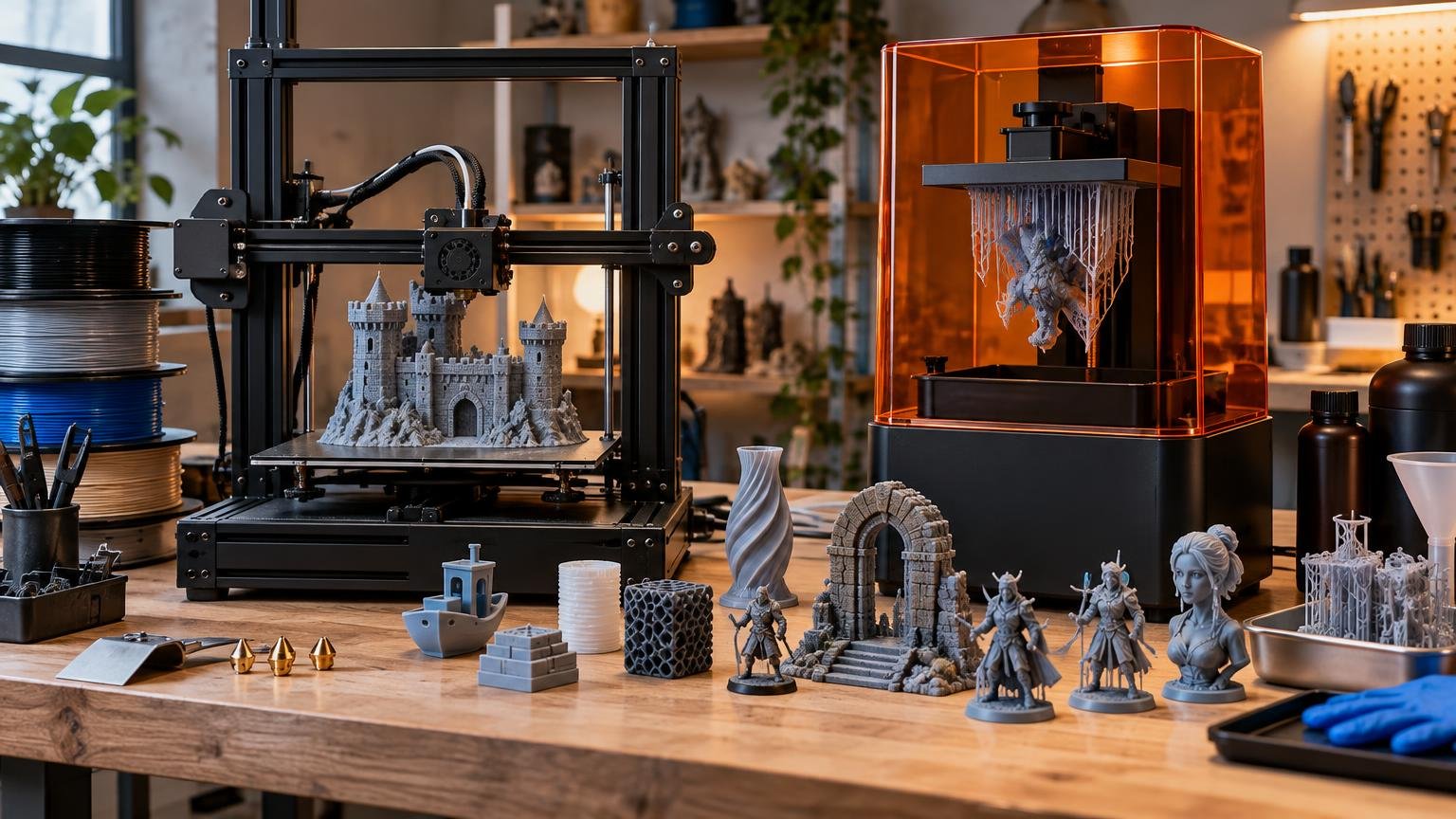
3D Printer Reviews, Comparisons and Ownership Guides
Compare printers, materials and upgrades by the work you want to do and the ownership demands that come with it.
Choose the right machine for the work
Buying a 3D printer starts with the work it must do: the parts you need, their practical size, expected volume, and the space and time you can spare. A fast machine is still a poor fit when its material limits, setup demands, noise, or upkeep clash with the actual job.
This publication serves first-time buyers, experienced hobbyists, educators, small-business users, and makers comparing equipment before spending money. Our 3D printer reviews turn specifications into the consequences that matter in daily use: print quality, throughput, reliability, workflow, maintenance, flexibility, and total ownership cost for a particular job, rather than leaving them as a feature list.
Features do not work in isolation. Build volume affects desk space and long-print risk; motion design influences speed, vibration, and maintenance; enclosures can widen material options while adding footprint and complexity. We cover the tradeoffs through reviews, direct comparisons, buying guidance, and ownership explanations built around real use cases instead of generic rankings.
Materials and accessories belong in the same decision, not a separate afterthought. Filament, resin, build plates, nozzles, dryers, wash-and-cure equipment, cameras, and multi-material systems can affect results and operating effort as much as a printer’s headline specification. Coverage asks when an addition solves a useful constraint and when it simply adds complexity.
Latest 3D printer articles
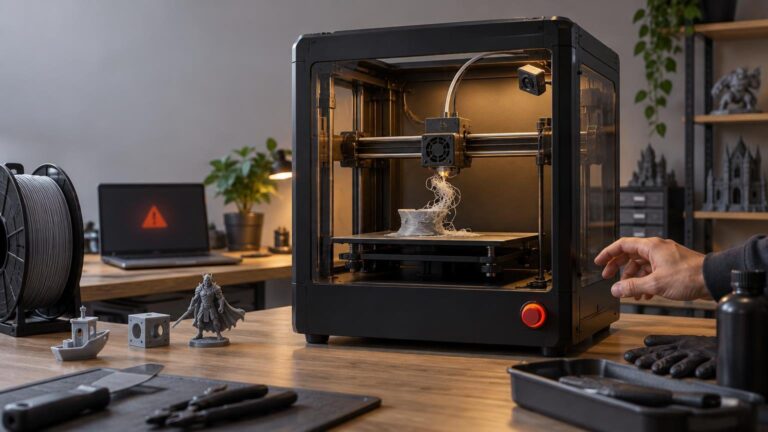
Printer Cameras and AI Failure Detection: How Much Supervision Do They Replace?
AI failure detection can monitor visible print problems and pause some failed jobs, but its blind spots, alert delays and false alarms still demand human oversight.
Read more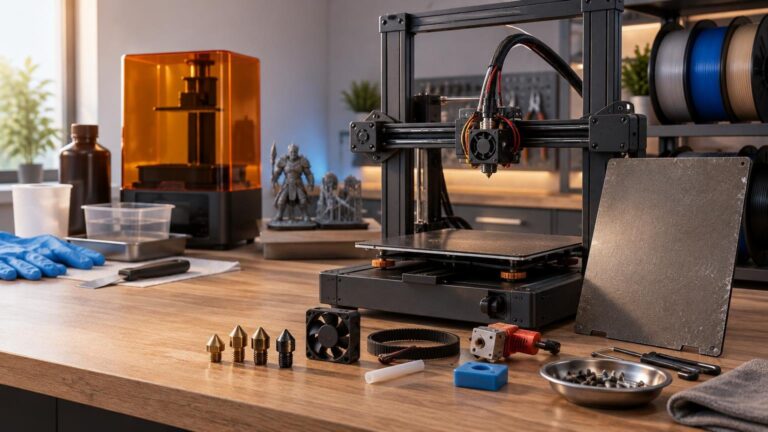
3D-Printer Maintenance Costs: Nozzles, Plates, Belts, Fans, and Wear Parts
3D-printer maintenance costs depend more on print hours, materials, machine design, and failures than on the calendar. Here is how to budget for common FDM and resin wear…
Read more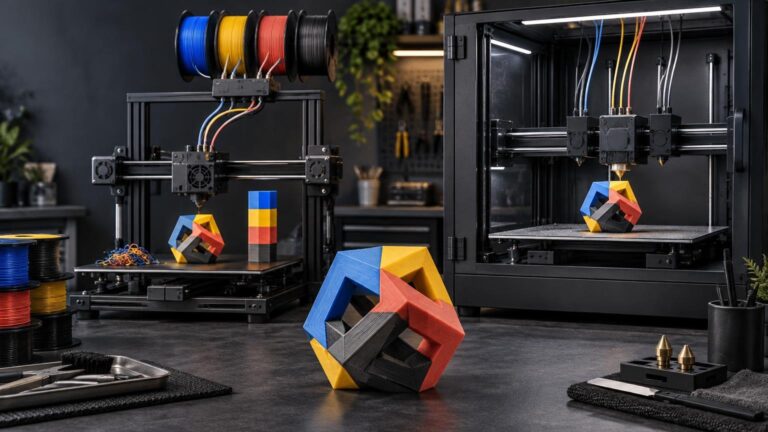
Best Multi-Color 3D Printer: Compare Waste, Reliability, and Material Flexibility
Compare four-color filament changers with premium toolchangers to find the right multicolor 3D printer for your budget, materials, workspace, and tolerance for purge waste.
Read moreLook beyond the box and the benchmark
Price is only the opening number. Material waste, required tools, replacement surfaces, wear parts, post-processing equipment, software dependence, and workspace changes shape the total. A cheaper printer can demand more attention, while a premium model earns its price only when its added capability improves the work you actually plan to do most.
Use case is the clearest filter. Large terrain, cosplay armor, detailed miniatures, functional fixtures, classroom projects, and small production runs reward different mixes of size, detail, speed, safety, consistency, and repairability. Recommendations should follow those differences rather than force every buyer toward a universal winner or a single benchmark score.
Current specifications, firmware and support documentation, retailer availability, independent technical measurements, and well-sourced user experience each illuminate part of the ownership picture. Useful comparisons keep configurations and workloads consistent, then account for the details buyers must recheck at purchase time, including prices, bundles, model revisions, and availability.
Start with the project that will occupy most of the printer’s time. Identify the required material, largest practical part, acceptable finishing work, production pace, workspace limits, and maintenance tolerance. Those constraints form a better shortlist than resolution labels, maximum-speed claims, or a long feature sheet considered without context for the intended workload.