
Do 3D Printers Use a Lot of Electricity?
No, 3D printers do not use a lot of electricity. Compared to most household or office equipment, their power usage is relatively low, even when they are running for several hours at a time.
For most users and small businesses, electricity is one of the smallest costs involved in using a 3D printer.
How Much Electricity Does a 3D Printer Use?
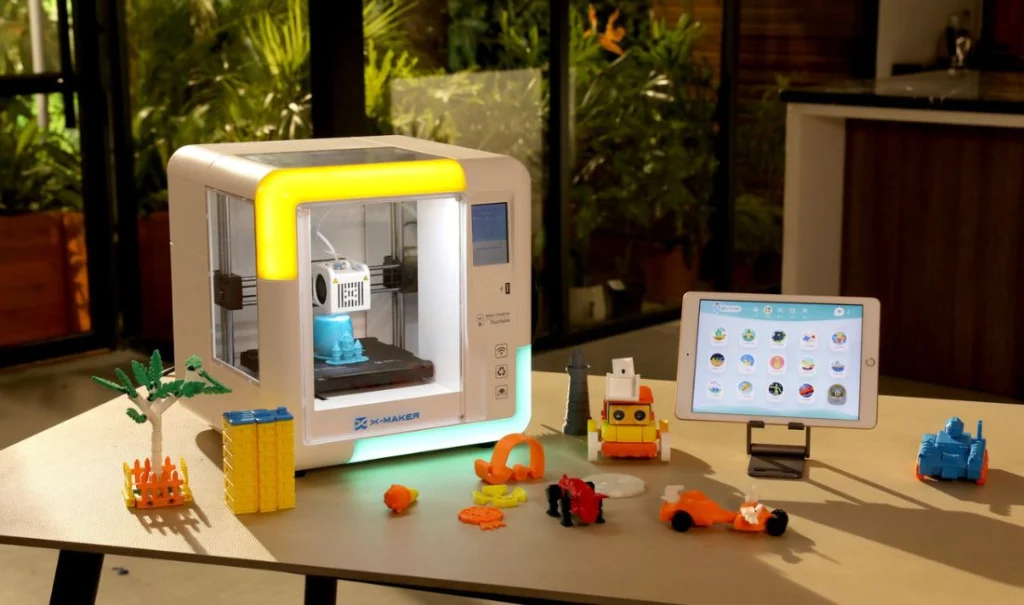
A typical desktop 3D printer uses a moderate amount of power, similar to everyday electronics like a desktop computer or monitor.
The exact amount depends on:
- The size of the printer
- Whether it has a heated bed
- How long the printer runs
- The material being printed
Once the printer reaches its operating temperature, power usage usually stays stable for the rest of the print.
Which Parts of a 3D Printer Use the Most Power?
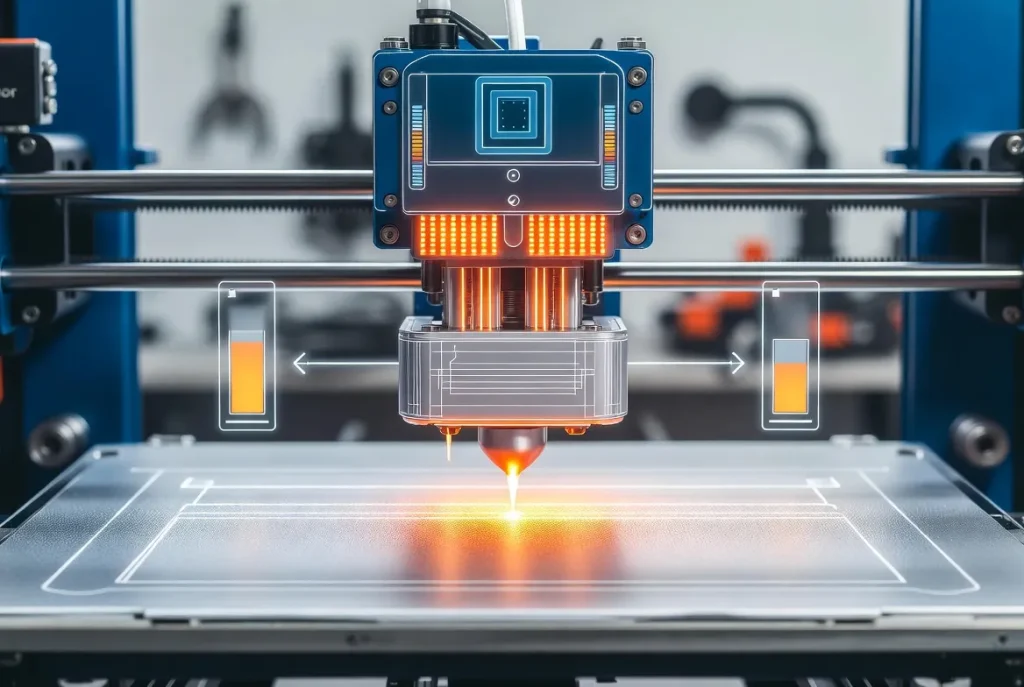
Most of a 3D printer’s electricity use comes from heating components.
Heated Bed
The heated bed uses the most power, especially during the warm-up phase at the start of a print.
Hot End
The hot end stays hot throughout printing but uses less electricity than the heated bed.
Motors and Fans
Motors and fans use very little power compared to heating elements.
In simple terms, heat uses more electricity than movement.
Does Print Time Significantly Increase Electricity Costs?
Longer prints do use more electricity because the printer runs for a longer time. However, the cost increase is usually small and predictable.
Even printers that run daily for many hours typically add only a minor amount to electricity bills. Material costs usually matter much more than power usage.
FDM vs Resin 3D Printers: Electricity Differences
FDM 3D Printers
- Use slightly more electricity
- Heated beds increase power usage
- Still considered low-power machines overall
Resin 3D Printers
- Use less electricity per hour
- Often require extra equipment such as wash and cure stations
For most users, the difference in electricity usage is not large enough to affect buying decisions.
Do 3D Printers Use More Electricity Than Common Appliances?
No. In most cases, 3D printers use less electricity than many common household appliances.
They generally consume less power than:
- Space heaters
- Electric ovens
- Clothes dryers
- Air conditioners
A 3D printer’s electricity usage is closer to small office electronics than heavy appliances.
Should Electricity Costs Be a Concern for Small Businesses?
For most small businesses, electricity costs are not a concern when using a 3D printer.
Power usage:
- Is easy to estimate
- Remains consistent over time
- Is much lower than outsourcing manufacturing or prototyping
Businesses usually benefit more from focusing on printer reliability, material efficiency, and workflow setup.
How to Keep 3D Printer Electricity Usage Low
If you want to reduce power usage even further:
- Avoid overheating the bed when not necessary
- Turn the printer off when not in use
- Use stable print settings instead of extreme temperatures
These small steps help keep electricity costs predictable and low.
Final Verdict
3D printers do not use a lot of electricity. Whether you are a hobbyist or a small business owner, power consumption is generally low, stable, and not something most users need to worry about. For many people, the benefits of 3D printing far outweigh the small cost of electricity.
Frequently Asked Questions
Do 3D printers noticeably increase electricity bills?
No. For most users, the increase is small and often barely noticeable.
Can a 3D printer run all day without high power costs?
Yes. Even all-day printing uses relatively little electricity compared to many other devices.
Is electricity one of the main costs of 3D printing?
No. Filament, resin, and maintenance usually cost more than electricity.