
How Much Does It Cost to Run a 3D Printer Monthly?
For most users, the monthly cost of running a 3D printer is relatively low. In many cases, it costs far less than people expect, especially when compared to outsourcing parts or prototypes.
The exact monthly cost depends on how often the printer is used, the type of material, and basic maintenance needs.
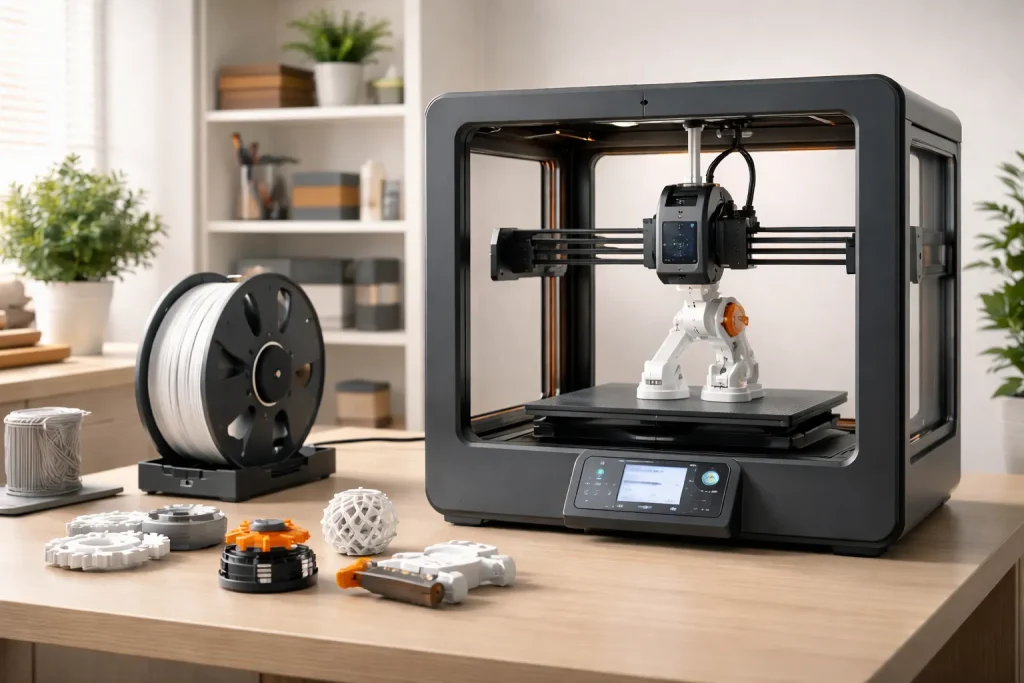
What Makes Up the Monthly Cost of a 3D Printer?
Running a 3D printer involves a few predictable expenses. Understanding these helps set realistic expectations.
Material Costs (Filament or Resin)
Materials are usually the largest ongoing cost.
For most users:
- Light use means occasional material purchases
- Regular use means steady, predictable material spending
- Heavy use increases costs but remains manageable
Choosing reliable materials often reduces waste and failed prints, which helps control costs over time.
Electricity Costs
Electricity is typically a small part of the monthly cost.
Even when a printer runs for many hours:
- Power usage stays moderate
- Monthly electricity costs remain low
- Material costs usually matter much more
For most households and small businesses, electricity use is not a major concern.
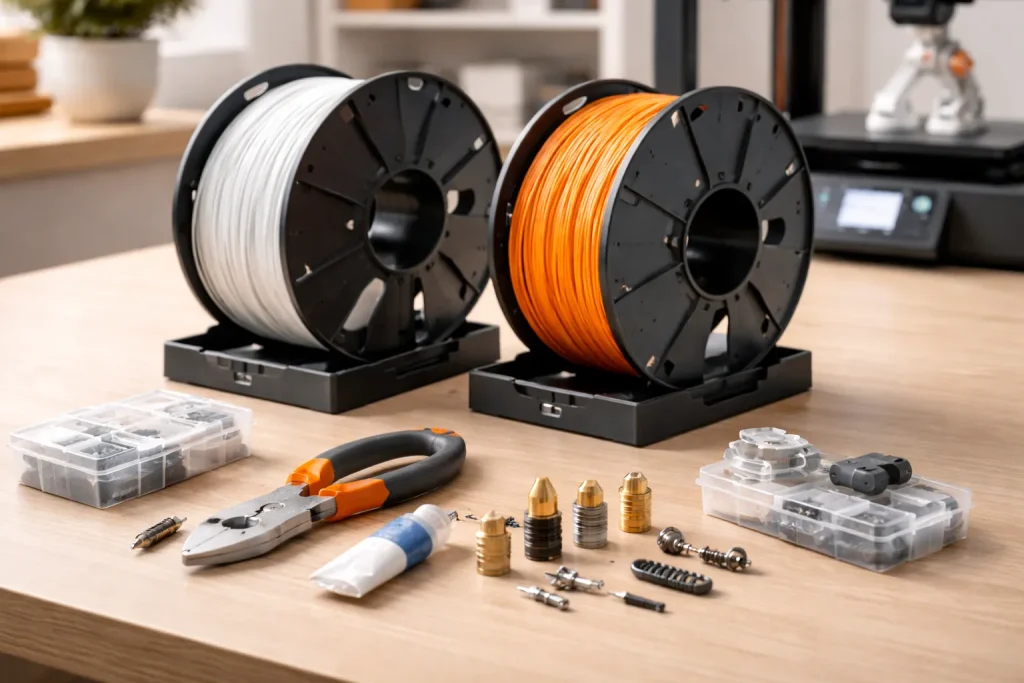
Maintenance and Replacement Parts
3D printers require basic maintenance, but costs are usually low.
Common maintenance items include:
- Nozzles
- Build surfaces
- Small mechanical parts
When printers are maintained regularly, monthly maintenance costs stay minimal and predictable.
Failed Prints and Material Waste
Some failed prints are normal, especially for beginners.
Over time, users reduce waste by:
- Using stable print settings
- Keeping the printer calibrated
- Avoiding rushed print jobs
As experience grows, failed prints become less frequent and easier to manage.
Is It Cheaper Than Outsourcing?
For many people, yes.
Owning a 3D printer often costs less than:
- Ordering custom parts
- Paying for repeated prototypes
- Waiting for external manufacturing
In-house printing also saves time and gives more control over design changes.
Does Printer Type Affect Monthly Costs?
Yes, but usually not dramatically.
FDM Printers
- Lower material costs
- Simple maintenance
- Good for everyday use
Resin Printers
- Higher material costs
- Additional cleaning supplies
- Best for detailed work
Most users start with FDM printers to keep monthly costs lower.
Are Monthly Costs Easy to Predict?
Yes.
Once usage patterns are established:
- Material use becomes predictable
- Electricity costs remain stable
- Maintenance is occasional
This makes monthly budgeting straightforward.
Is the Monthly Cost Worth It?
For many users and small businesses, the answer is yes.
A 3D printer can:
- Reduce outsourcing expenses
- Speed up production and testing
- Enable custom solutions
- Improve turnaround time
The value often outweighs the monthly operating cost.
Frequently Asked Questions
Is running a 3D printer expensive every month?
No. For most users, monthly costs are moderate and manageable.
What is the biggest monthly expense?
Materials such as filament or resin usually cost more than electricity or maintenance.
Do costs increase a lot with daily use?
Costs increase with use, but they remain predictable and controlled.
Final Summary
The monthly cost to run a 3D printer is generally low and predictable. Materials make up the largest expense, while electricity and maintenance usually add only a small amount. For many users, owning a 3D printer is more cost-effective than outsourcing and provides greater flexibility and control.