Automatic Resin Feeding: Useful Convenience or Another System to Clean?
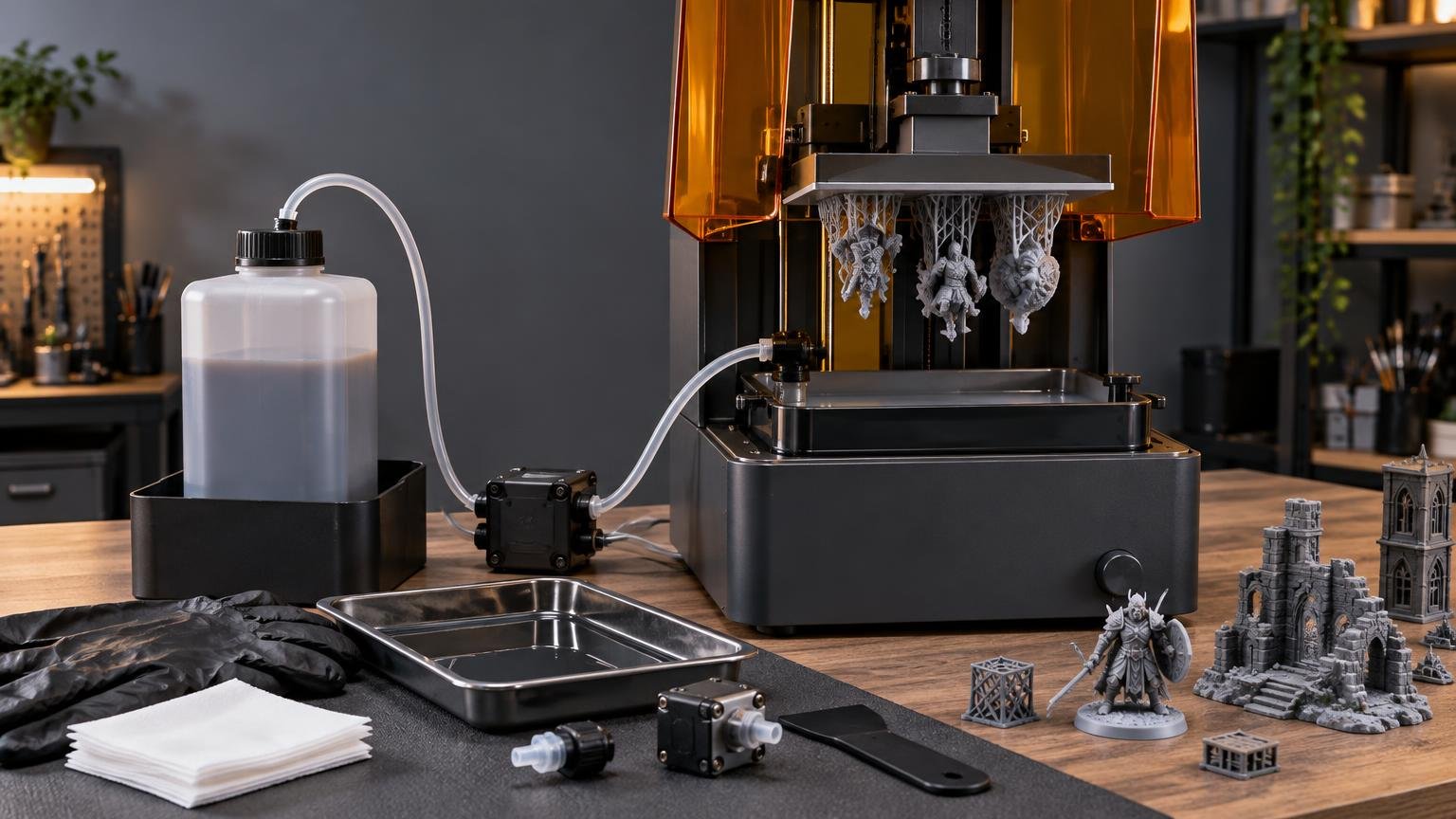
Automatic resin feeding can prevent interruptions and reduce manual pouring, but pumps, tubing, seals, and resin restrictions add another maintenance loop.

 Jared Hansen
Automatic resin feeding can prevent interruptions and reduce manual pouring, but pumps, tubing, seals, and resin restrictions add another maintenance loop.
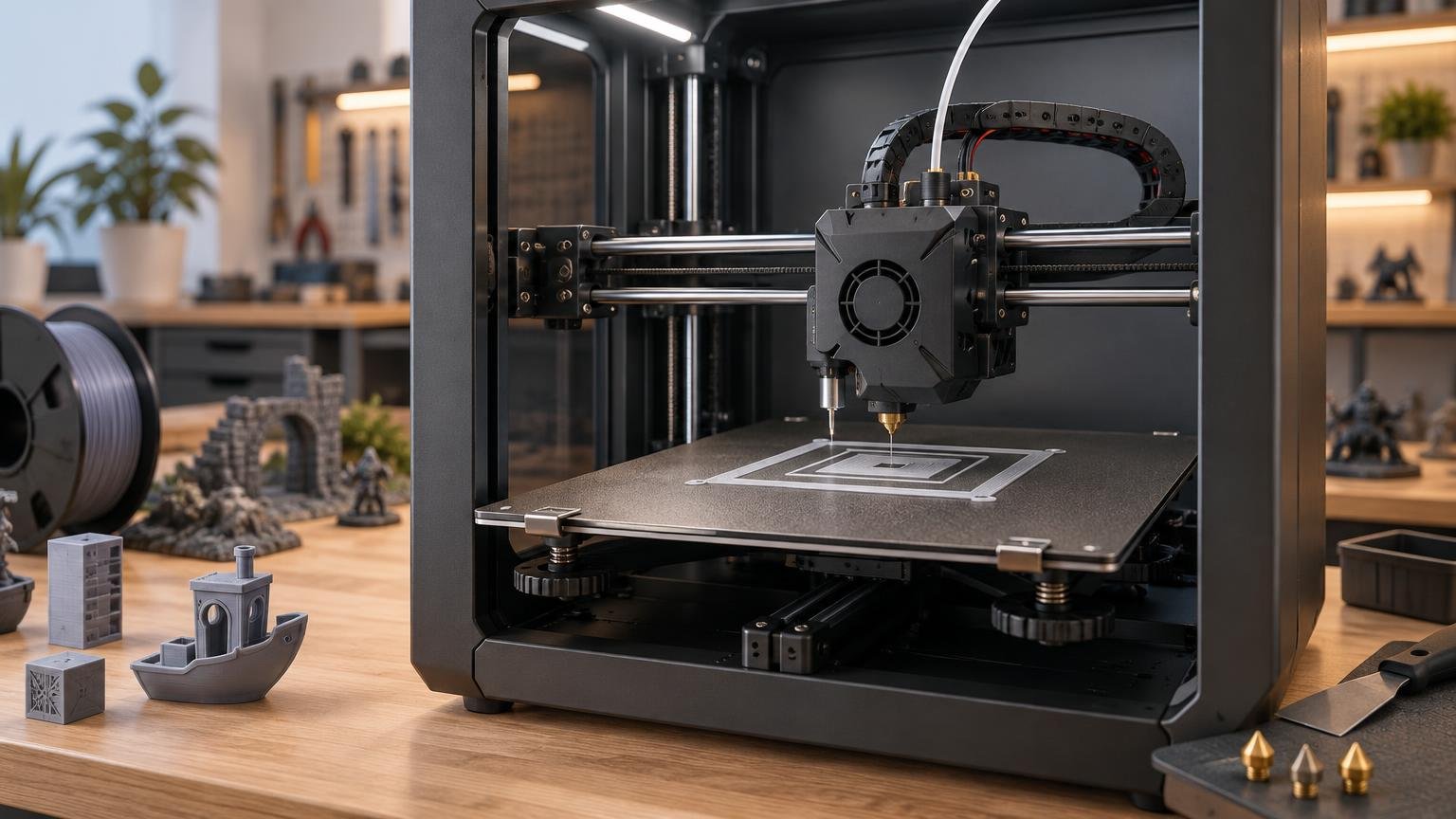
Automatic bed leveling is usually worth having on an FDM printer, but the probe alone does not guarantee an easy first layer. The best systems combine reliable probing, broad mesh coverage, simple Z-offset calibration, stable mechanics, and firmware that applies the compensation automatically.
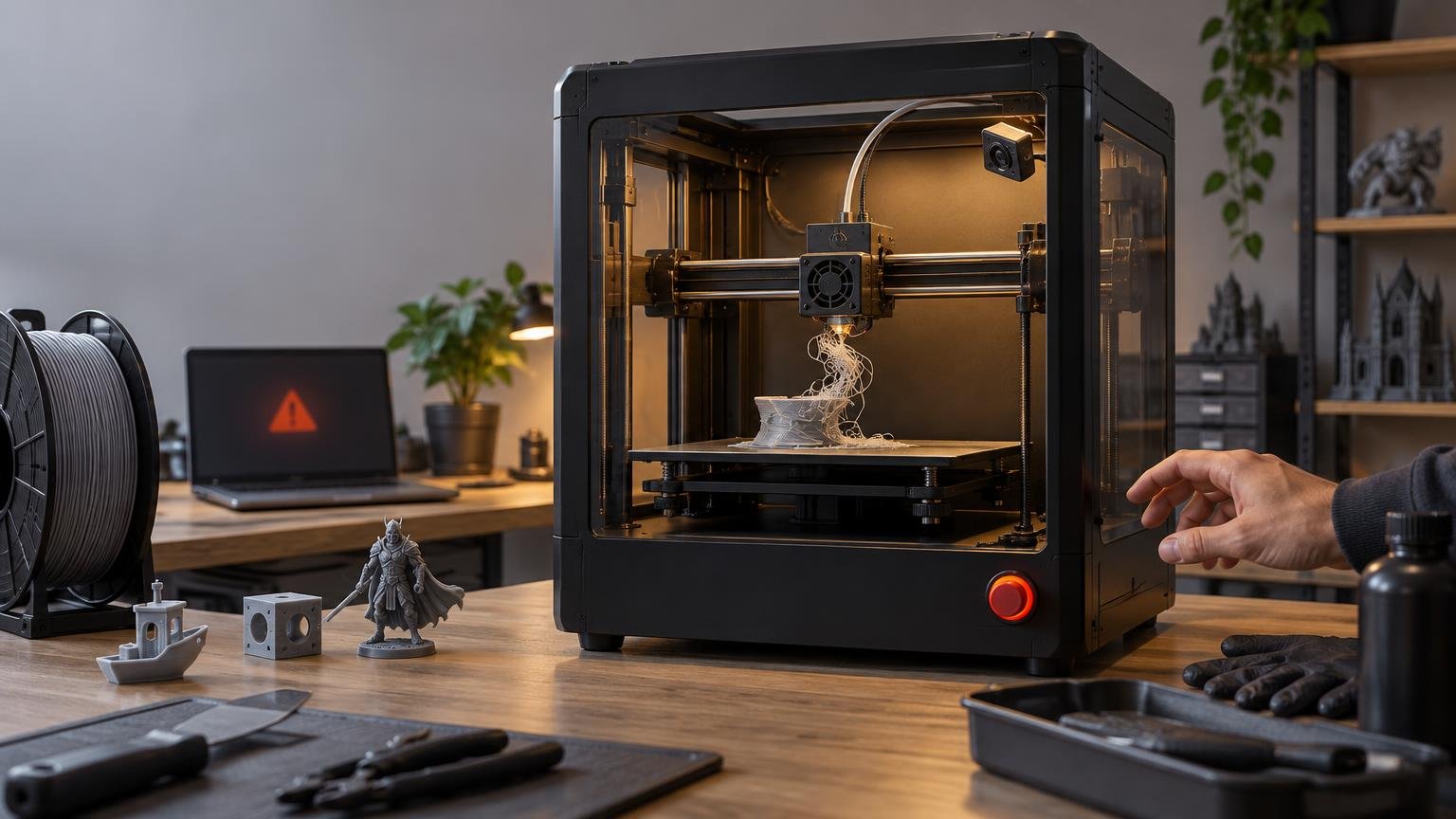
AI failure detection can monitor visible print problems and pause some failed jobs, but its blind spots, alert delays and false alarms still demand human oversight.
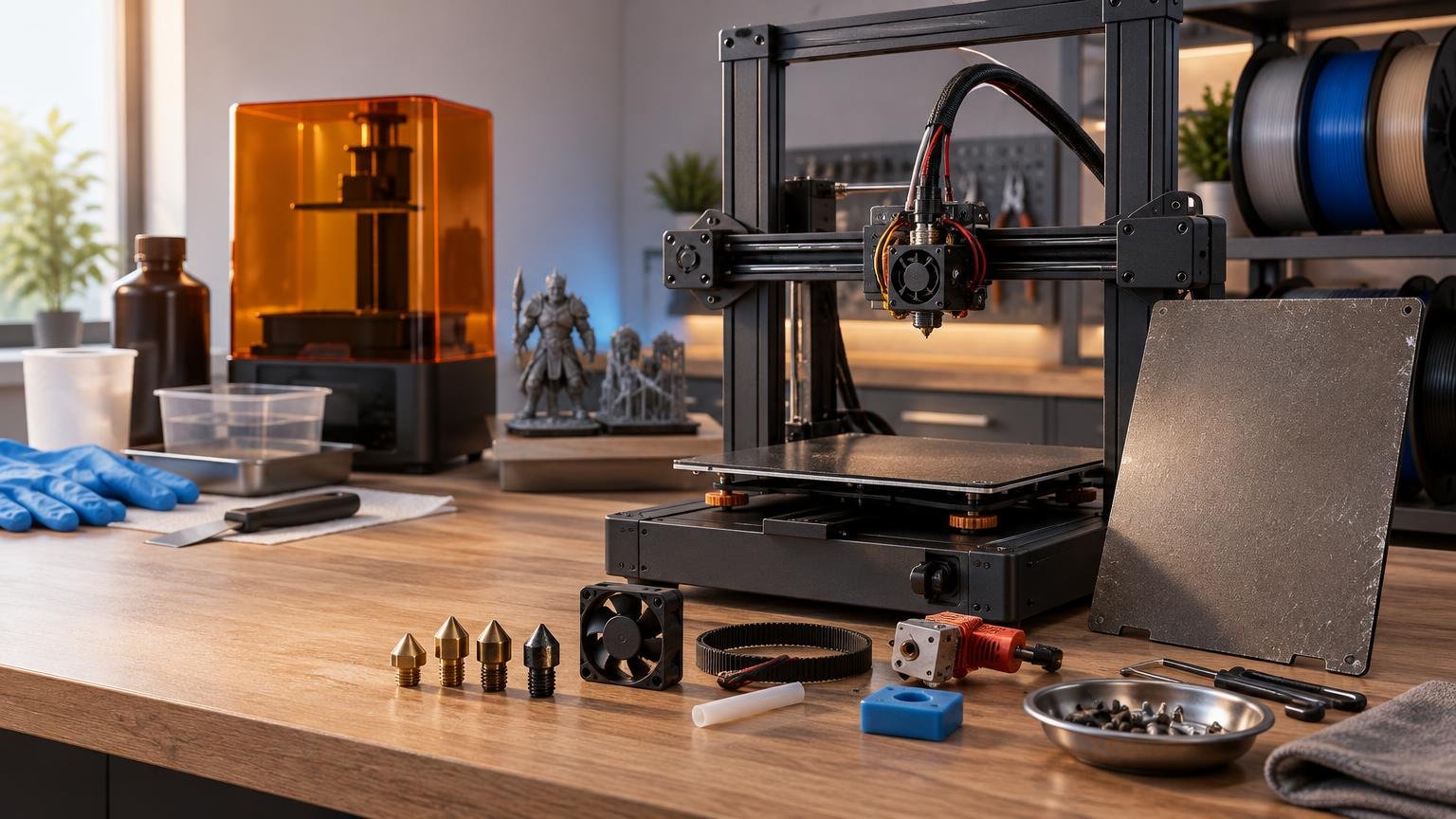
3D-printer maintenance costs depend more on print hours, materials, machine design, and failures than on the calendar. Here is how to budget for common FDM and resin wear parts.
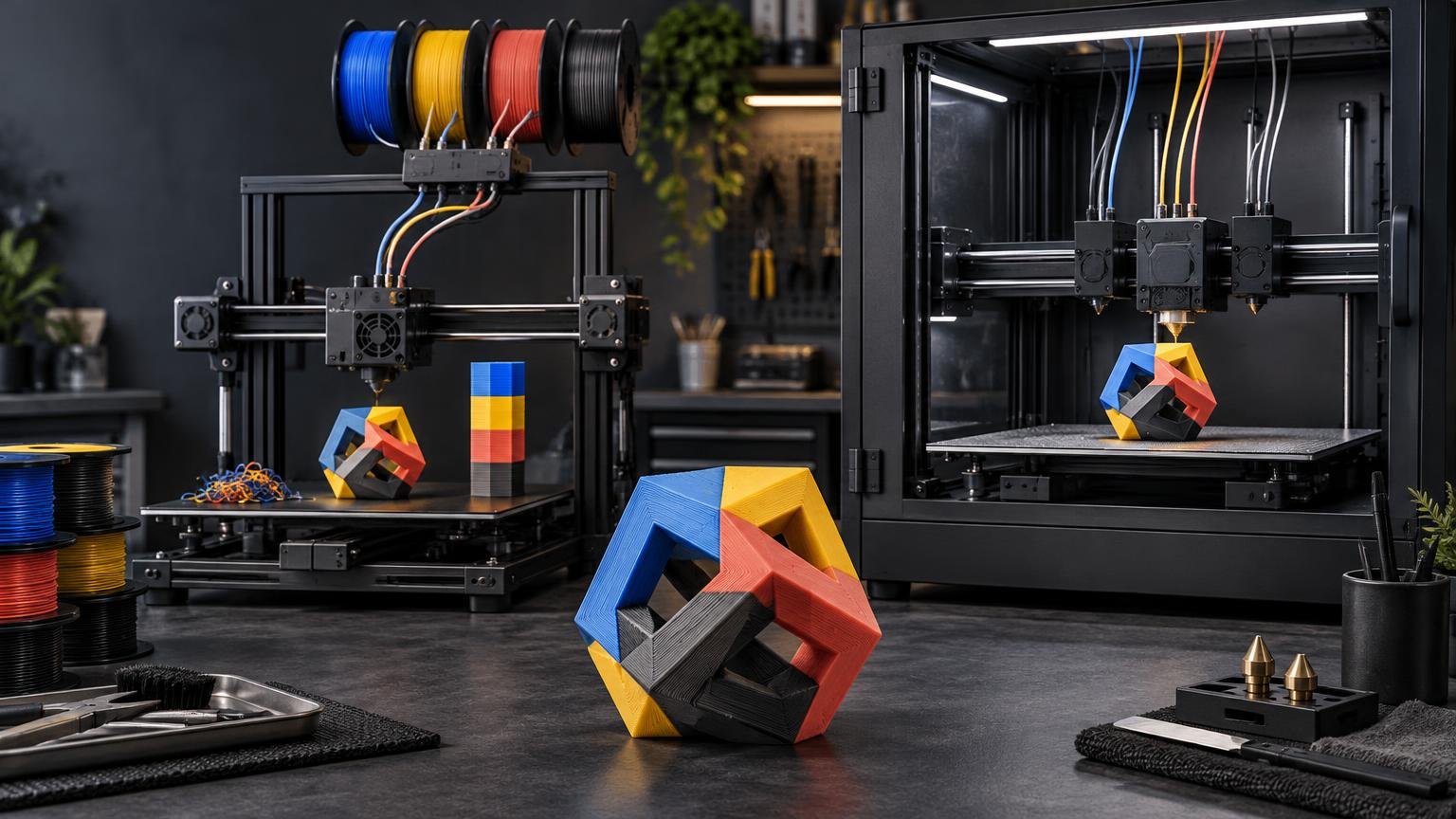
Compare four-color filament changers with premium toolchangers to find the right multicolor 3D printer for your budget, materials, workspace, and tolerance for purge waste.
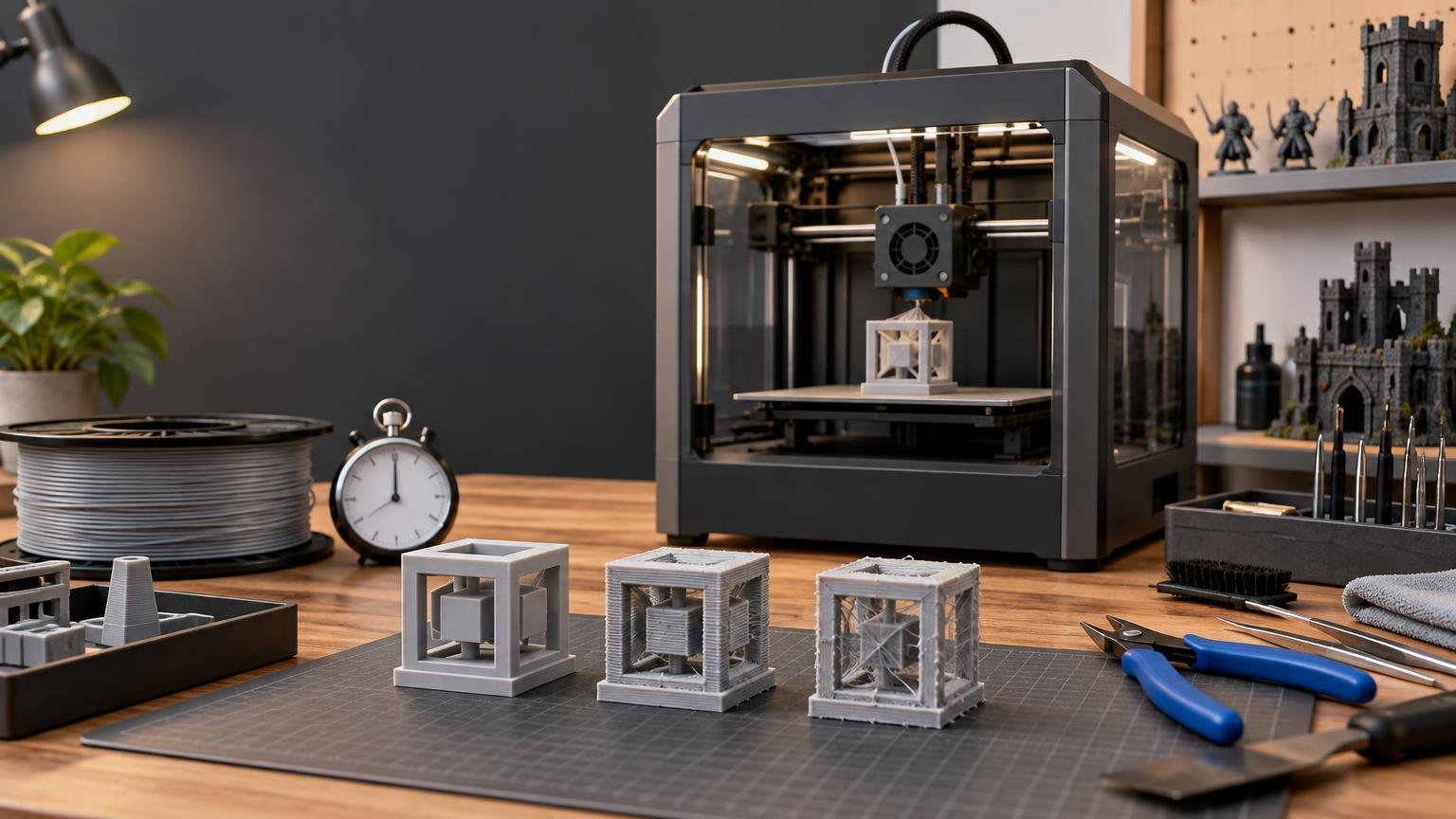
Learn how to compare FDM printer speed using completed-part time, controlled profiles, repeat runs and predefined quality standards—not peak speed claims.
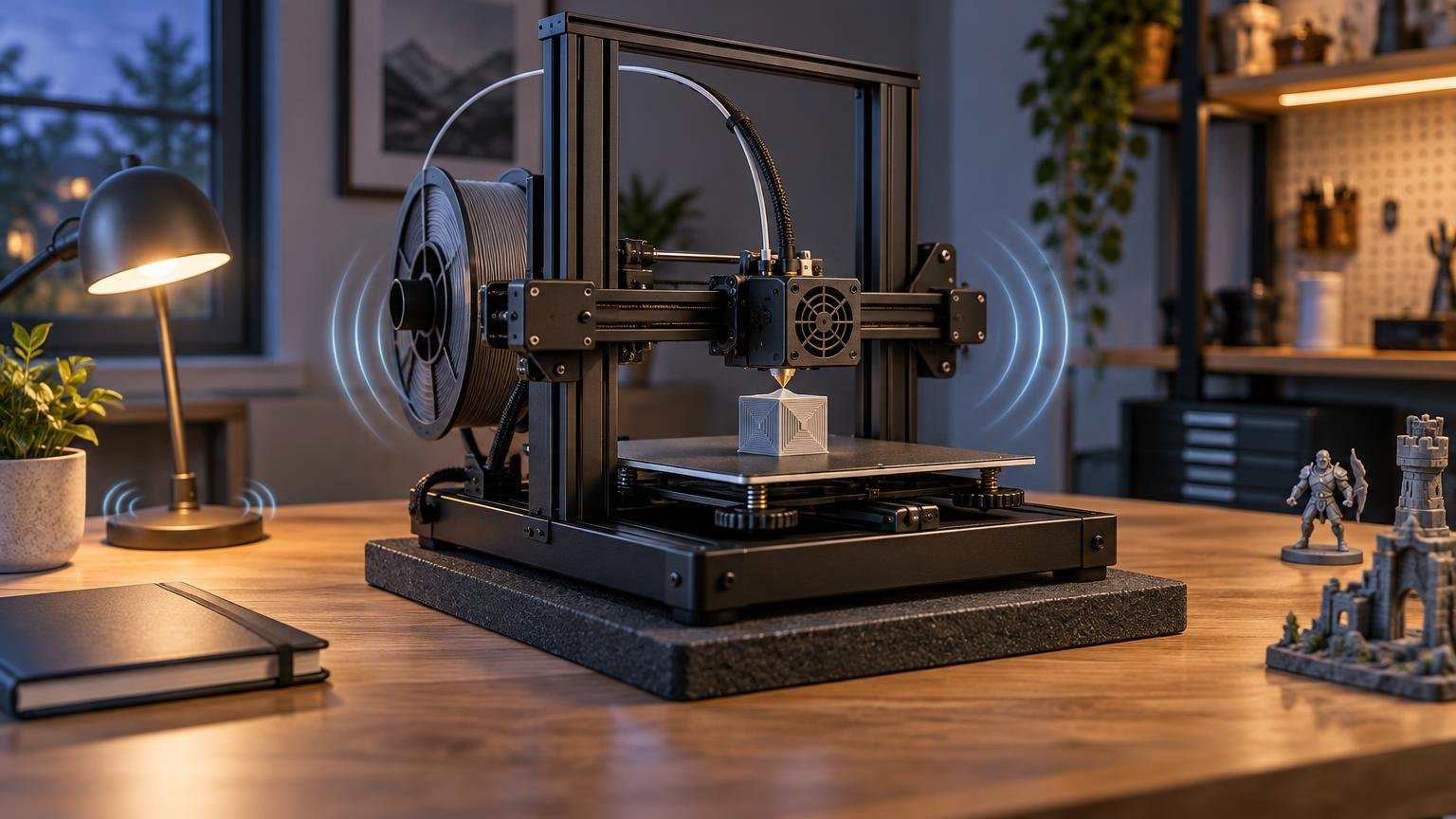
A practical framework for comparing 3D-printer noise claims, quiet modes, vibration, fan sound, and installation requirements before you buy.

Learn how to calculate a 3D printer’s electricity use per job, why peak wattage can mislead, and which printer and workflow choices affect the final cost.

Hardened steel nozzles protect against abrasive filament, but they are not an automatic upgrade for every printer. Here is how to choose by material, diameter, and workload.
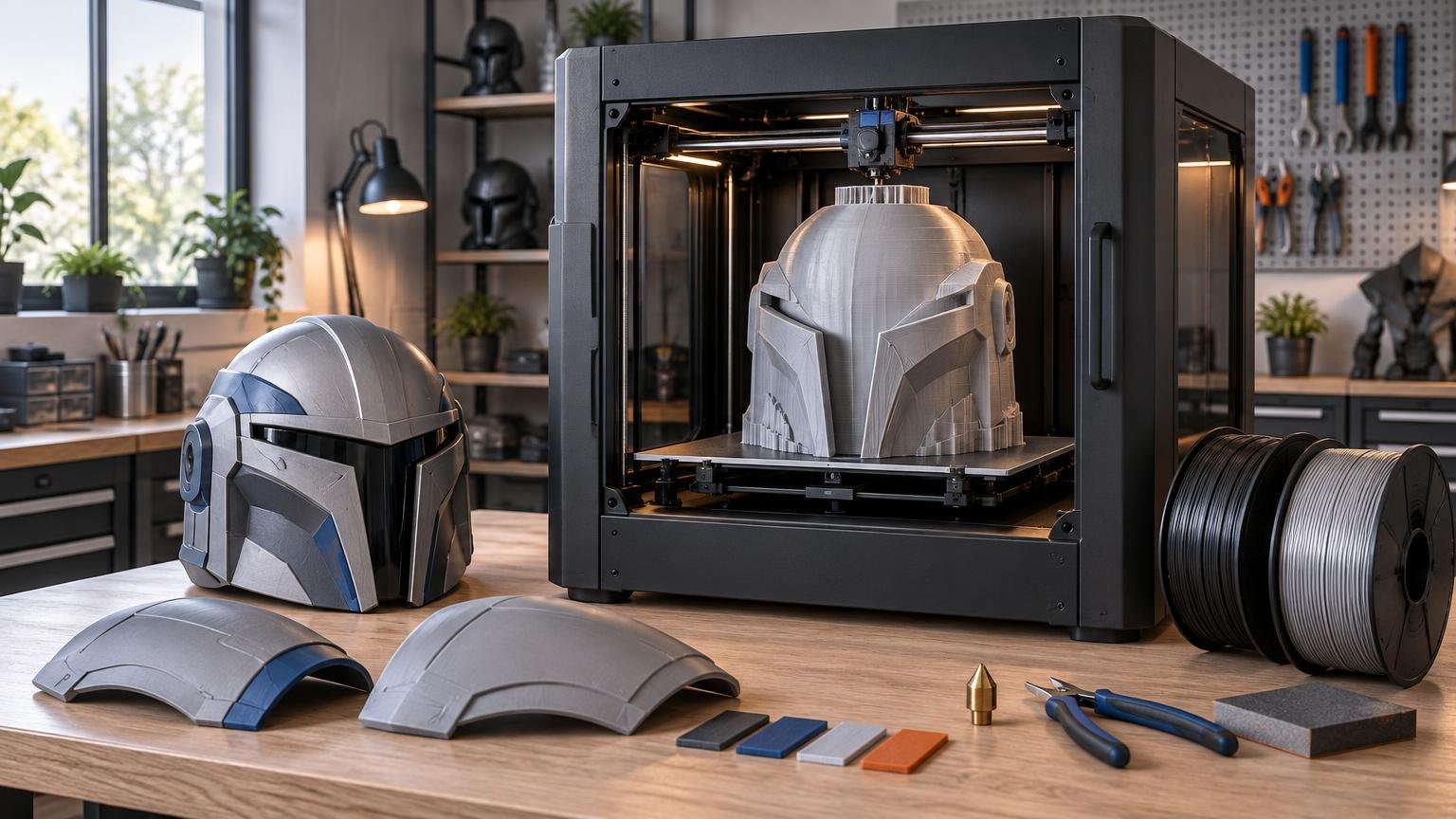
Compare four large-format FDM printers for cosplay helmets, armor, masks, and props, with practical advice on build volume, materials, finishing, and workspace.
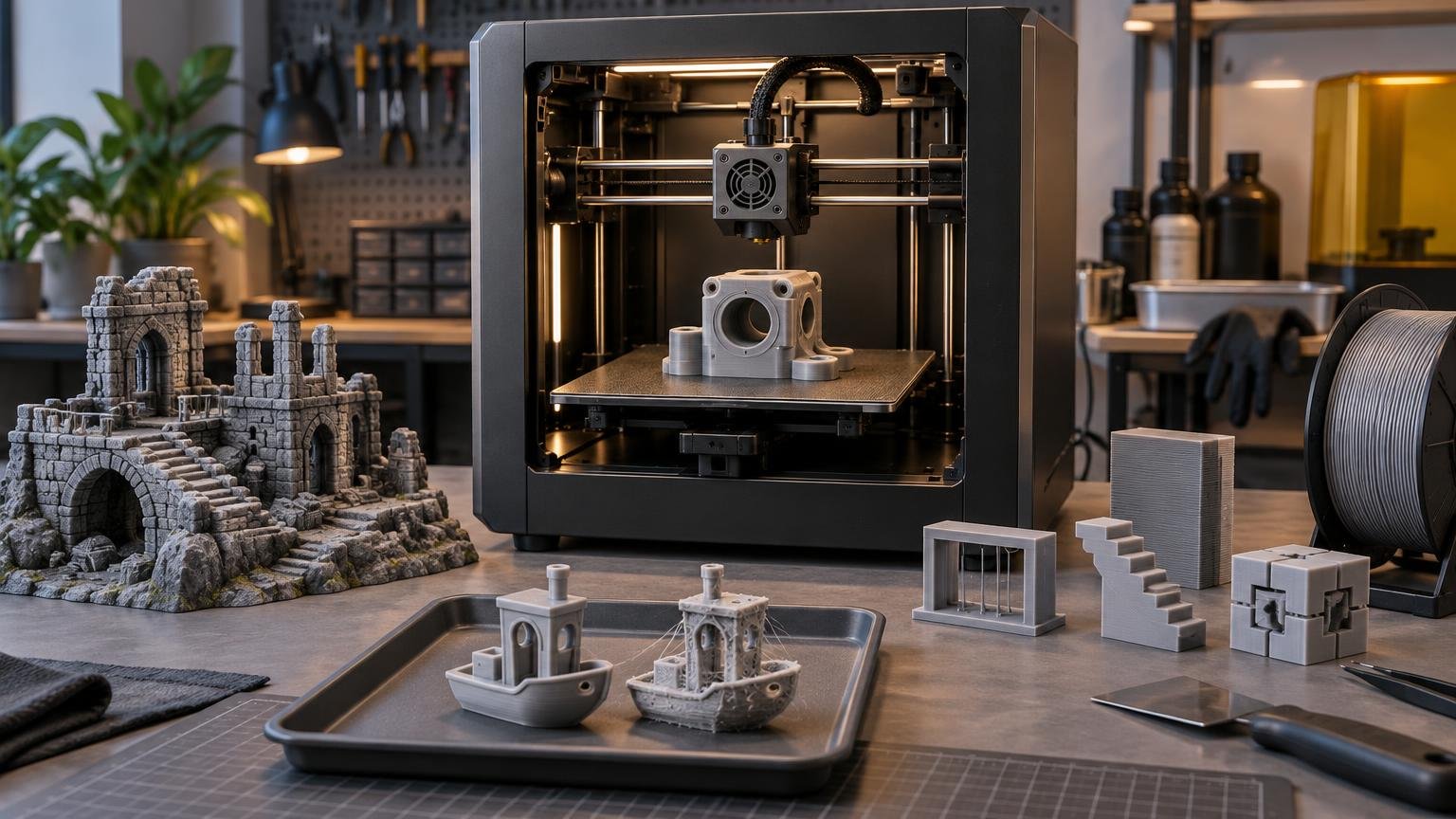
A repeatable FDM printer benchmark should combine targeted diagnostic models with terrain, functional parts, controlled settings, and honest failure tracking.
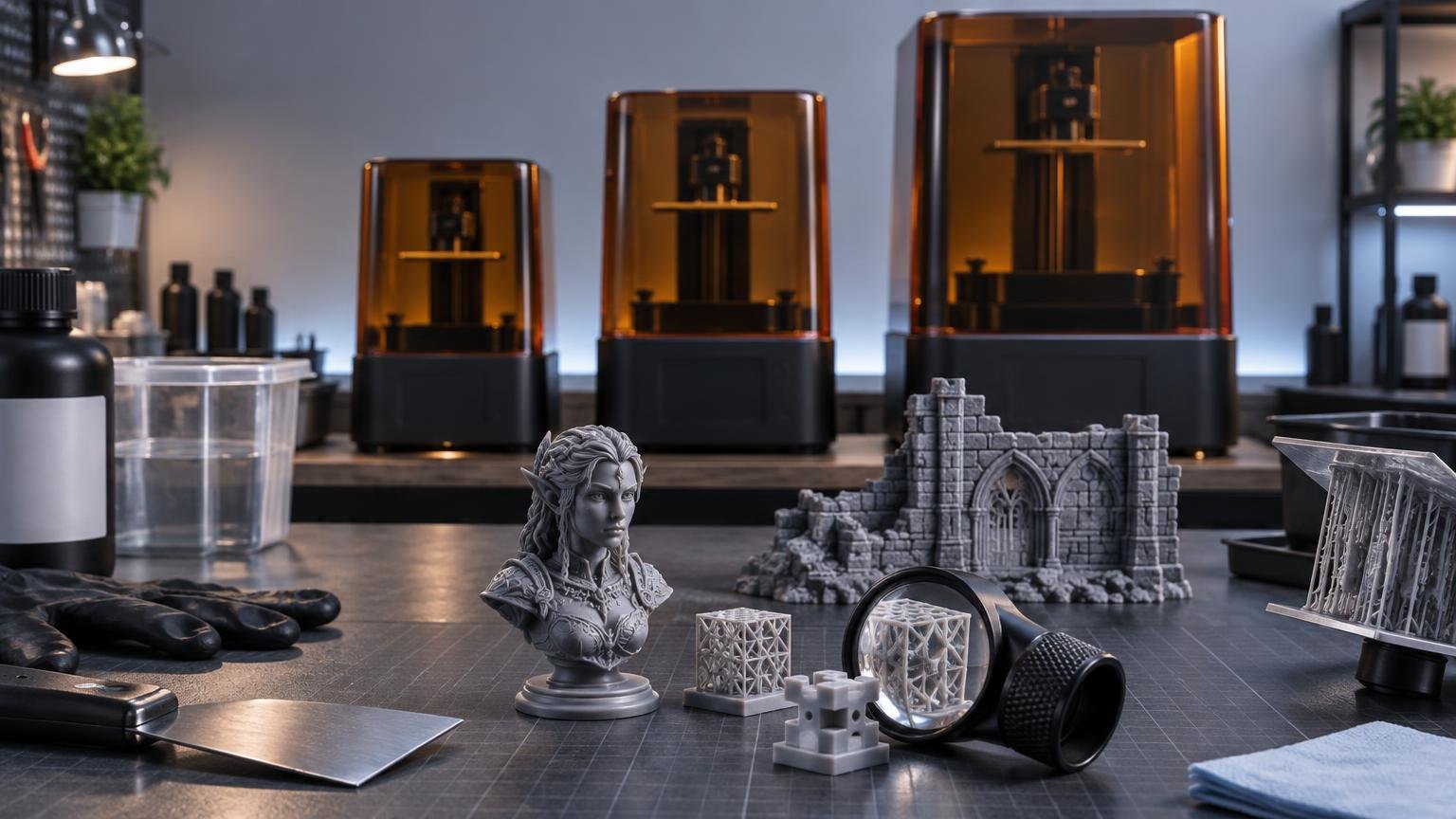
A 12K resin printer is not automatically better than an 8K or 4K model. Learn how pixel pitch, screen size, calibration, resin, and mechanics affect real print quality.